
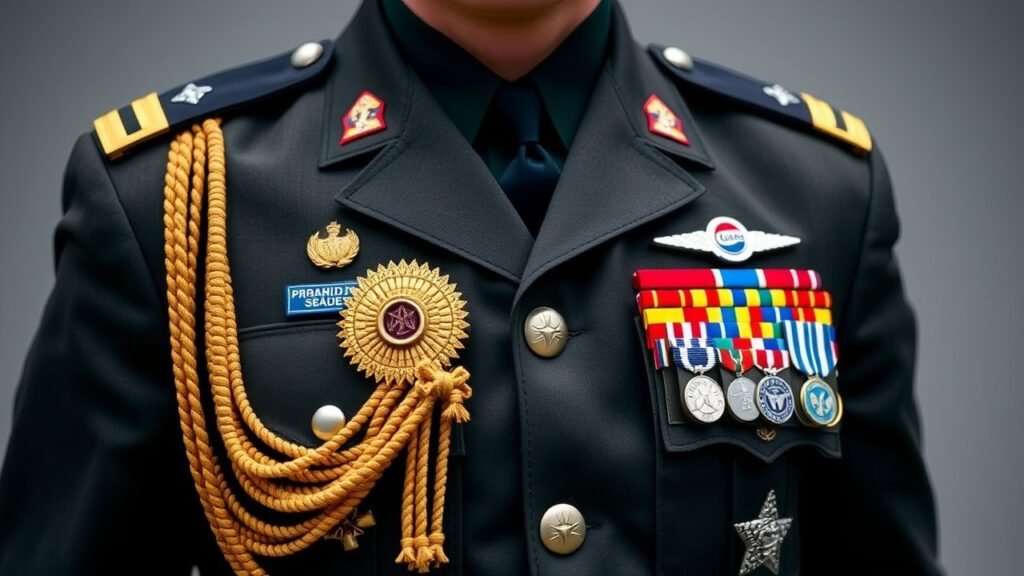
Welcome to the ultimate guide to understanding the world of military pins and ribbons! This article will delve into the meaning behind the various symbols of service and achievement displayed by military personnel. From the significance of a simple military lapel pin to the prestige of a coveted medal, we’ll explore the rich history and tradition represented by these small but powerful emblems. This guide will help you decipher the complex language of military insignia, offering insights into the accomplishments and dedication of those who wear them.
Understanding Military Pins and Badges
What is a Military Pin?
A military pin is a small emblem, often made of metal and enamel, that is worn on the lapel of a civilian jacket or as part of a military uniform. These pins serve a variety of purposes, from identifying the military branch a service member belongs to, such as Navy pins or Air Force pins, to recognizing specific achievements or affiliations. Military pins mean different things depending on the design and context, and they are a visual representation of a service member’s commitment and experience. They are typically worn on the left lapel, but this can vary depending on the specific regulations of the different military branches.
Types of Military Badges
Military badges are more formal than military lapel pins and represent specific qualifications or accomplishments earned by military personnel. A qualification badge, like the parachutist badge, signifies that the service member has met certain standards and is qualified to perform a specific task. Army badges and Air Force badges are common examples, each with its own set of criteria. A badge is awarded upon completion of required training and demonstrating proficiency in the given skill. These badges are a source of pride for the service member and a testament to their dedication and hard work within the armed forces.
The Importance of Lapel Pins
Lapel pins, especially military lapel pins, carry a profound symbolic weight. They allow service members and veterans to wear pins that showcase their pride and affiliation. Civilians wear military lapel pins, too, often to show support for the armed forces. The meaning behind each pin can vary, but generally, they represent a connection to the military community and a shared understanding of the sacrifices made by those who serve. Seeing someone wear military lapel pins can spark conversations and foster a sense of camaraderie, reminding everyone of the dedication and commitment of those in military service.
The Meaning Behind Military Lapel Pins
Symbolism of Military Lapel Pins
Military lapel pins serve as powerful symbols, often carrying deep meaning behind their seemingly simple designs. The use of enamel and specific imagery on the military lapel pins can convey a service member’s achievements, affiliation, or even a shared experience. These military pins mean more than just decoration; they are a visual representation of honor, duty, and sacrifice. When someone decides to wear military lapel pins, they are essentially wearing a story, a testament to their dedication to military service and the values of the armed forces.
Decoding Different Military Pins
Decoding the array of different military pins can be a fascinating endeavor. Each military branch, from the Army to the Air Force, Marine Corps, Navy, and Coast Guard, has its own unique set of pins and badges. These different military pins may signify different achievements, units, or even specific campaigns. Military lapel pins can be worn on the left lapel and often reflect a service member’s personal journey within the military service. Understanding the nuances of these symbols provides insight into the accomplishments and dedication of military personnel.
What Military Pins Mean for Service Members
For service members, military pins mean more than just recognition; they embody a sense of belonging and pride. The military lapel pins represent shared experiences, sacrifices, and the bonds forged within the armed forces. To wear pins is to carry a piece of their military history and a reminder of their commitment to serving their country. These small emblems serve as a constant reminder of their duty, honor, and the values they uphold, reinforcing their identity as a dedicated member of the military community.
Types of Military Ribbons and Their Significance
Overview of Service Ribbons
Military ribbons, often worn above military lapel pins, represent specific achievements, campaigns, or periods of military service. These ribbons are an integral part of the military uniform, and they signify a service member’s commitment and dedication to their duty. The different colors and patterns of the ribbons often carry specific meaning behind the awarding of the ribbon, telling a visual story of military service and accomplishment. They complement badges, enhancing the narrative of military service.
Qualification Badges Explained
Qualification badges are a testament to a service member’s expertise and proficiency in a specific skill or field. A qualification badge signifies that the individual has met rigorous standards and is qualified to perform specialized tasks within the military. From marksmanship badges to aviation badges, these emblems demonstrate a high level of competence and dedication. A badge is awarded upon successful completion of training, and it represent a significant achievement in a service member’s career within the United States military.
Unit Insignia and Their Importance
Unit insignia, often displayed on military lapel pins, represent the specific unit or organization to which a service member belongs. These symbols foster a sense of camaraderie and shared identity within the unit. The insignia is a visual representation of the unit’s history, traditions, and accomplishments. Wearing unit insignia signifies a deep connection to one’s fellow service members and a commitment to the unit’s mission. These symbols play a vital role in building esprit de corps and fostering a strong sense of belonging, with the meaning behind the insignia resonating deeply.
Wearing Military Pins and Ribbons
How to Wear Military Lapel Pins
Knowing how to properly wear military lapel pins is essential for honoring military tradition and showing respect. Generally, military lapel pins should be worn on the left lapel of civilian attire, close to the heart. However, specific guidelines may vary depending on the military branch. It is crucial to understand the regulations so you can wear pins with the correct placement and orientation. Following these guidelines ensures that these military lapel pins are displayed with the respect and honor they deserve, properly representing the service member’s commitment to military service.
Guidelines for Wearing Military Badges
The guidelines for wearing military badges on the military uniform are very specific and vary depending on the military branch. Badges are authorized to be worn in a certain order of precedence. The placement and number of military badges worn must adhere to the official military regulations to maintain uniformity and professionalism. The location where the service member will wear pins can be found in the regulations. Understanding these guidelines is essential for all military personnel to ensure they are accurately representing their achievements and qualifications with the proper military badges.
Combining Ribbons with Military Uniforms
When combining ribbons with the military uniform, it’s crucial to follow the correct order of precedence and placement, as mandated by the different military branches. Ribbons are typically worn above military lapel pins and badges, showcasing a service member’s achievements and military service. The arrangement of ribbons on the military uniform must adhere to strict regulations, reflecting the chronological order and significance of each award. Properly combining ribbons with military lapel pins and badges demonstrates respect for military traditions and accurately represents the service member’s distinguished record.
The History of Military Pins and Ribbons
Evolution of Military Insignia
The evolution of military insignia, including military pins and ribbons, reflects the changing nature of warfare and the increasing emphasis on recognizing the sacrifices and achievements of military personnel. The earliest forms of military insignia were simple symbols of rank or affiliation, but over time, they became more elaborate and diverse, with each military pin and ribbon representing a specific accomplishment or military service. The use of enamel and precious metals further enhanced the visual appeal and symbolic value of military badges and awards, solidifying their importance within the armed forces.
Historical Significance of Military Badges
Military badges have held significant historical importance, serving as tangible symbols of courage, dedication, and achievement within the armed forces. Throughout history, a badge is awarded to military personnel who have demonstrated exceptional skill, bravery, or service in specific areas, such as marksmanship, aviation, or combat. These military badges not only recognize individual accomplishments but also represent the collective pride and heritage of military units and organizations. The historical significance of military badges lies in their ability to embody the values, traditions, and sacrifices that define the military experience.
Influence of Military Pins in Modern Armed Forces
Military pins continue to exert a significant influence in modern armed forces, serving as powerful symbols of identity, belonging, and recognition. Military lapel pins worn on the left lapel remain a popular way for service members and veterans to display their affiliation with a particular military branch, unit, or campaign. Also, civilians can wear military lapel pins to show support. The meaning behind these symbols helps to foster camaraderie and esprit de corps among military personnel, reinforcing their sense of shared purpose and commitment to military service. The tradition of military pins serves to honor service members.